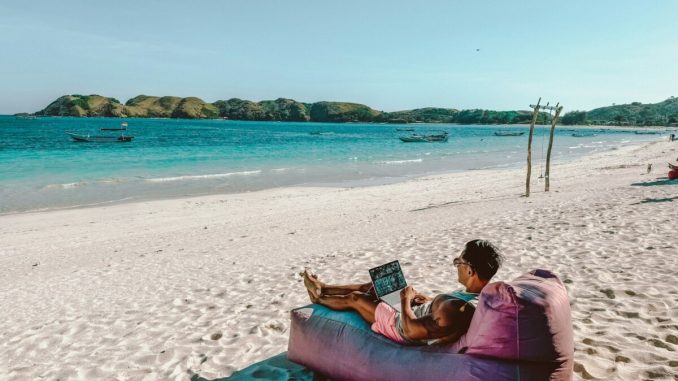
You’ve probably heard the term by now: workation. It’s the hybrid of work and vacation, and it’s no longer just a buzzword. For many professionals, it’s already becoming a lifestyle. And for businesses that want to stay competitive, it’s a shift that’s hard to ignore.
The pandemic cracked open the door to remote work, and now, workations are kicking it wide open. Employees aren’t just working from home anymore; they’re working from hotel balconies, beach cafés, and countryside cottages. And they’re doing it well.
Productivity isn’t bound to a desk
The old idea that work only happens in an office is fading very fast. People are proving they can meet deadlines, lead teams, and hit targets from anywhere with a stable internet connection. What’s changing is the backdrop, and that’s having a real impact on how people feel about their jobs: When someone swaps their usual routine for a few weeks in a sunnier spot, they often come back refreshed, focused, and more engaged. Or better yet, they never left – they just worked from a place that made them feel good. And that’s the workation effect.
Well-being is driving the shift
Mental health isn’t a side issue anymore, but central to performance, retention, and culture. Workations offer a way to support well-being without sacrificing productivity. They give people space to breathe, think, and reset, while still getting the job done.
For businesses, this isn’t just about being generous. It’s strategic. Happier employees tend to stay longer, collaborate better, and bring more energy to their work. And when they’re working from somewhere that feels like a break, even if it’s not, those benefits multiply.
Workations are a trust test
Letting someone work from a resort or a rented flat abroad means trusting them to manage their time and responsibilities. It’s a leap for some managers, but it’s also a chance to build a culture of autonomy. Because when you trust your team to work from wherever suits them best, you’re saying you value outcomes over optics. That kind of trust builds loyalty – and often leads to better results.
It’s not just for the tech crowd
Workations aren’t just limited to digital nomads or startup founders. SMEs across sectors are seeing the benefits. Whether it’s a marketing manager working from a coastal town or a finance lead spending a week in the Med, the model is flexible enough to suit a range of roles.
And it doesn’t have to be exotic. Even a short stint in a quieter, greener location can offer the same boost. Though for some, a holiday in Greece might just be the perfect blend of sunshine, serenity, and solid Wi-Fi.
What businesses can do
If you’re running a business, workations might feel like a risk. But with the right structure, they’re manageable – and rewarding. Here’s what helps:
- Clear expectations around availability and output
- Guidelines for data security and connectivity
- A culture that values trust and communication
Start with a pilot. Offer it to a few team members. See how it works. You might find that the benefits – creativity, morale, retention – are well worth the leap.
Because really, workations might not just be a trend. They’re a reflection of how work is evolving. People want flexibility not just in hours, but in lifestyle. And when businesses embrace that, they don’t just keep up; they lead.