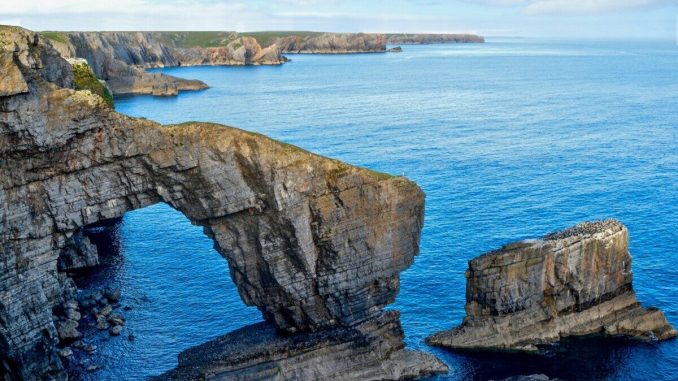
One of the most important features of Pembrokeshire is the Pembrokeshire Coast National Park. Established in 1952, it is the only coastal national park in Britain. The park covers a large area of cliffs, beaches, islands, and countryside. Many tourists visit the area to walk along the famous coastal path, which stretches for over 180 miles. The path offers breathtaking views of the sea, rock formations, and wildlife, including seabirds, dolphins, and seals. Outdoor activities such as hiking, kayaking, surfing, and coasteering are also extremely popular in the county.
Pembrokeshire is also known for its historic towns and villages. Tenby is perhaps the most famous tourist town in the area. It is well known for its colourful houses, medieval walls, and beautiful beaches. Other important towns include Haverfordwest, Pembroke, Fishguard, and St Davids. St Davids is especially significant because it is the smallest city in Britain and home to the impressive St Davids Cathedral, an important religious site for centuries.
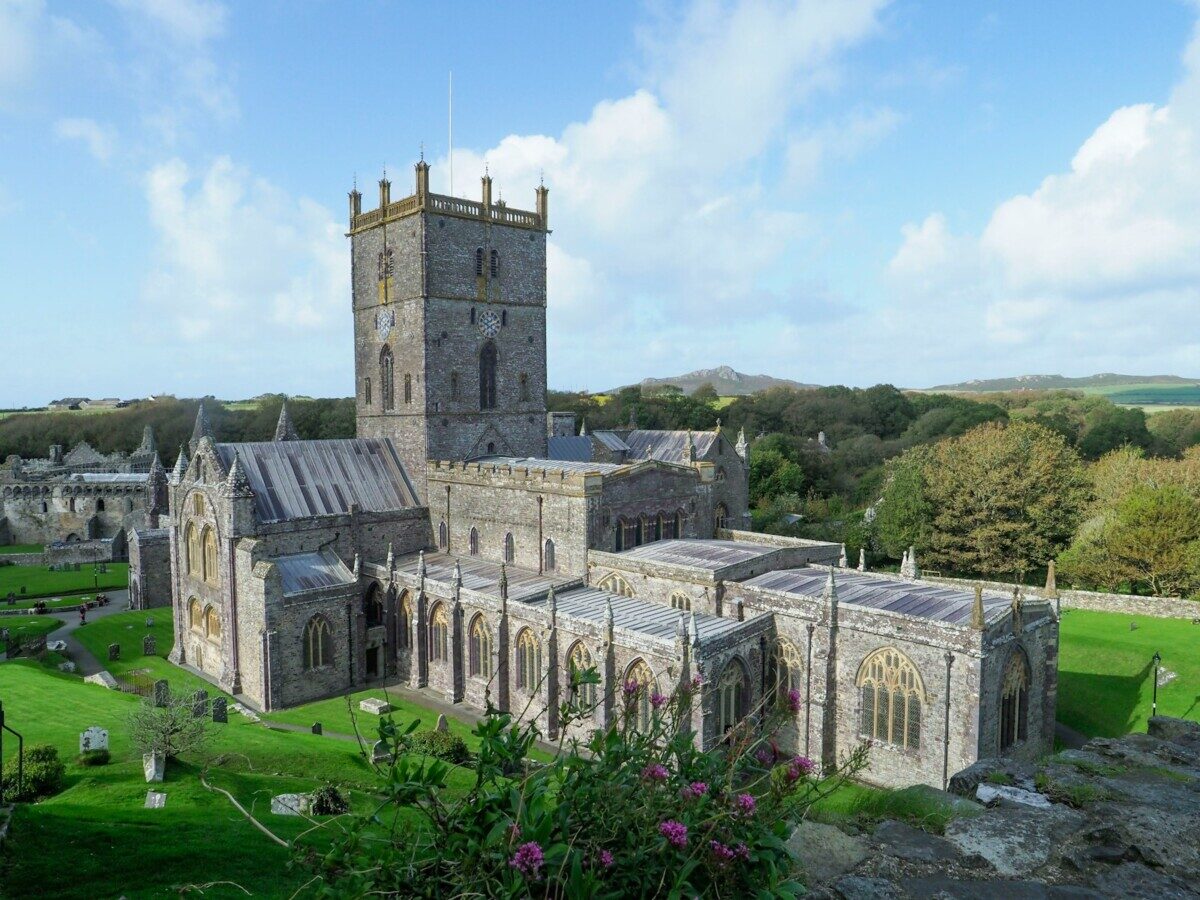
St Davids Cathedral is one of the most important religious and historical landmarks in Wales. Located in the small city of St Davids in Pembrokeshire, the cathedral was built on the site where Saint David, the patron saint of Wales, lived and preached during the sixth century. The present building dates mainly from the twelfth century and is famous for its beautiful architecture, stained glass windows, and peaceful setting. For many centuries, pilgrims travelled to St Davids Cathedral for worship and prayer. Today, it remains a popular tourist attraction, drawing visitors interested in Welsh history, culture, and religion.
History is an important part of Pembrokeshire’s identity. The county has many castles and ancient sites that attract visitors interested in Welsh heritage. Pembroke Castle is one of the best-preserved castles in Wales and was the birthplace of King Henry VII. Originally built by the Normans to defend any attacks there are also prehistoric monuments and remains from Viking and Norman settlements throughout the county, showing the long and varied history of the region.
Tourism is one of the main industries in Pembrokeshire. Hotels, campsites, restaurants, and local attractions provide employment for thousands of people. During the summer months, the population increases greatly as visitors arrive to enjoy the beaches and countryside. Festivals, local markets, and sporting events also help to attract tourists and celebrate Welsh culture.
However, Pembrokeshire faces some challenges because of tourism. During busy seasons, traffic congestion, litter, and pressure on local services can become problems. House prices and holiday accommodation costs have also increased in some areas, making it difficult for local residents to afford homes. Environmental protection is another important issue because the coastline and wildlife need to be carefully preserved for future generations.
In conclusion, Pembrokeshire is one of the most beautiful and important regions in Wales. Its combination of natural scenery, outdoor activities, historic landmarks, and welcoming communities makes it a major centre for tourism. Although there are challenges linked to the popularity of the area, Pembrokeshire continues to attract visitors who come to experience its unique landscape and rich Welsh heritage.